
Panagiotis Peikidis
I am a polyglot software developer and technical consultant based in New York, USA.
'%3e%3cpath%20d='M15,3c-6.627,0%20-12,5.373%20-12,12c0,5.623%203.872,10.328%209.092,11.63c-0.056,-0.162%20-0.092,-0.35%20-0.092,-0.583v-2.051c-0.487,0%20-1.303,0%20-1.508,0c-0.821,0%20-1.551,-0.353%20-1.905,-1.009c-0.393,-0.729%20-0.461,-1.844%20-1.435,-2.526c-0.289,-0.227%20-0.069,-0.486%200.264,-0.451c0.615,0.174%201.125,0.596%201.605,1.222c0.478,0.627%200.703,0.769%201.596,0.769c0.433,0%201.081,-0.025%201.691,-0.121c0.328,-0.833%200.895,-1.6%201.588,-1.962c-3.996,-0.411%20-5.903,-2.399%20-5.903,-5.098c0,-1.162%200.495,-2.286%201.336,-3.233c-0.276,-0.94%20-0.623,-2.857%200.106,-3.587c1.798,0%202.885,1.166%203.146,1.481c0.896,-0.307%201.88,-0.481%202.914,-0.481c1.036,0%202.024,0.174%202.922,0.483c0.258,-0.313%201.346,-1.483%203.148,-1.483c0.732,0.731%200.381,2.656%200.102,3.594c0.836,0.945%201.328,2.066%201.328,3.226c0,2.697%20-1.904,4.684%20-5.894,5.097c1.098,0.573%201.899,2.183%201.899,3.396v2.734c0,0.104%20-0.023,0.179%20-0.035,0.268c4.676,-1.639%208.035,-6.079%208.035,-11.315c0,-6.627%20-5.373,-12%20-12,-12z'%3e%3c/path%3e%3c/g%3e%3c/g%3e%3c/svg%3e)
'%3e%3cpath%20d='M4.60588%209.45456H4.12103C3.20679%209.45456%202.74968%209.45456%202.46566%209.74425C2.18164%2010.034%202.18164%2010.5002%202.18164%2011.4327V19.84C2.18164%2020.7725%202.18164%2021.2388%202.46566%2021.5285C2.74968%2021.8182%203.20679%2021.8182%204.12103%2021.8182H4.60588C5.52012%2021.8182%205.97724%2021.8182%206.26126%2021.5285C6.54528%2021.2388%206.54528%2020.7725%206.54528%2019.84V11.4327C6.54528%2010.5002%206.54528%2010.034%206.26126%209.74425C5.97724%209.45456%205.52012%209.45456%204.60588%209.45456Z'%20stroke='white'%20stroke-width='1.5'/%3e%3cpath%20opacity='0.4'%20d='M6.54528%204.36364C6.54528%205.56863%205.56844%206.54546%204.36346%206.54546C3.15847%206.54546%202.18164%205.56863%202.18164%204.36364C2.18164%203.15866%203.15847%202.18182%204.36346%202.18182C5.56844%202.18182%206.54528%203.15866%206.54528%204.36364Z'%20stroke='white'%20stroke-width='2'/%3e%3cpath%20d='M12.2493%209.45456H11.4323C10.4998%209.45456%2010.0335%209.45456%209.74379%209.74425C9.4541%2010.034%209.4541%2010.5002%209.4541%2011.4327V19.84C9.4541%2020.7725%209.4541%2021.2388%209.74379%2021.5285C10.0335%2021.8182%2010.4998%2021.8182%2011.4323%2021.8182H11.9268C12.8593%2021.8182%2013.3256%2021.8182%2013.6153%2021.5285C13.905%2021.2388%2013.905%2020.7725%2013.905%2019.84L13.9051%2016.3783C13.9051%2014.7396%2014.4273%2013.411%2015.9701%2013.411C16.7414%2013.411%2017.3668%2014.0753%2017.3668%2014.8947V19.3456C17.3668%2020.2781%2017.3668%2020.7443%2017.6565%2021.034C17.9461%2021.3237%2018.4124%2021.3237%2019.3449%2021.3237H19.8382C20.7705%2021.3237%2021.2367%2021.3237%2021.5264%2021.0341C21.8161%2020.7445%2021.8162%2020.2784%2021.8164%2019.3461L21.8177%2013.9057C21.8177%2011.4476%2019.4798%209.4548%2017.1658%209.4548C15.8484%209.4548%2014.6732%2010.1005%2013.9051%2011.1103C13.905%2010.4871%2013.905%2010.1755%2013.7697%209.94416C13.6839%209.79764%2013.5619%209.67565%2013.4154%209.58994C13.184%209.45456%2012.8725%209.45456%2012.2493%209.45456Z'%20stroke='white'%20stroke-width='1.5'%20stroke-linejoin='round'/%3e%3c/g%3e%3cdefs%3e%3cclipPath%20id='clip0_8679_11877'%3e%3crect%20width='24'%20height='24'%20fill='white'/%3e%3c/clipPath%3e%3c/defs%3e%3c/svg%3e)

© 2026 pekalicious. All Rights Reserved.
Reach Shoulder Health

Reach VR is a virtual reality rehabilitation platform for frozen shoulder recovery, combining therapist-informed assessment, adaptive exercise delivered through games, and a companion dashboard for tracking progress.
I took the project from prototype stage to production as lead engineer. My responsibilities covered both the patient-facing VR application and the technical systems that supported it: an API networking layer for communication with a Node-based middle tier, a reusable VR core system built around OpenXR with support for both controllers and hand input, and an AI agent stack deployed on our own AWS infrastructure. I also built practical tooling for designers, including mini-game-specific level editors and an editor for prototyping AI agent behavior through prompt iteration, tool configuration, and testing.
The project required balancing three concerns at once: clinical credibility, VR usability, and maintainable engineering systems. My focus was on turning an early prototype into a production-ready platform that could support both patient interaction and continued internal iteration.
The Pergamos System
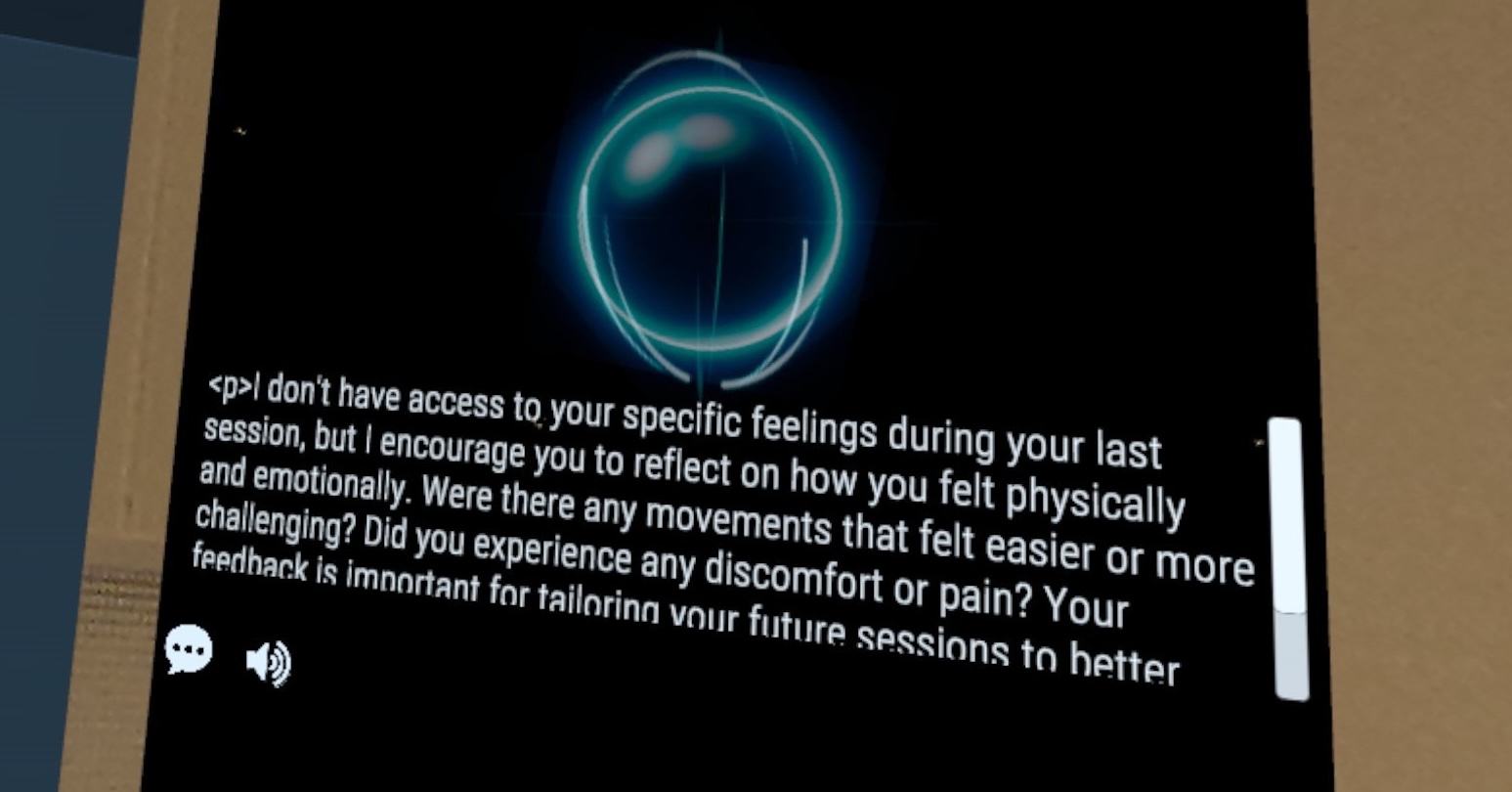
The Pergamos System is an AI-driven coaching platform designed to help patients improve shoulder health through personalized feedback and contextual guidance. I helped design and implement the system end-to-end, including a FastAPI-based backend using LangChain and LangSmith to generate responses with OpenAI models, infrastructure provisioned with Terraform, and deployment on AWS EC2.
The system was integrated directly with Unity for real-time interaction, allowing the in-experience coach, Galen, to guide users through exercises and provide adaptive feedback. To support ongoing iteration, I also contributed tooling for testing and refining agent behavior through custom web-based editors rather than forcing every change through code.
Mini games
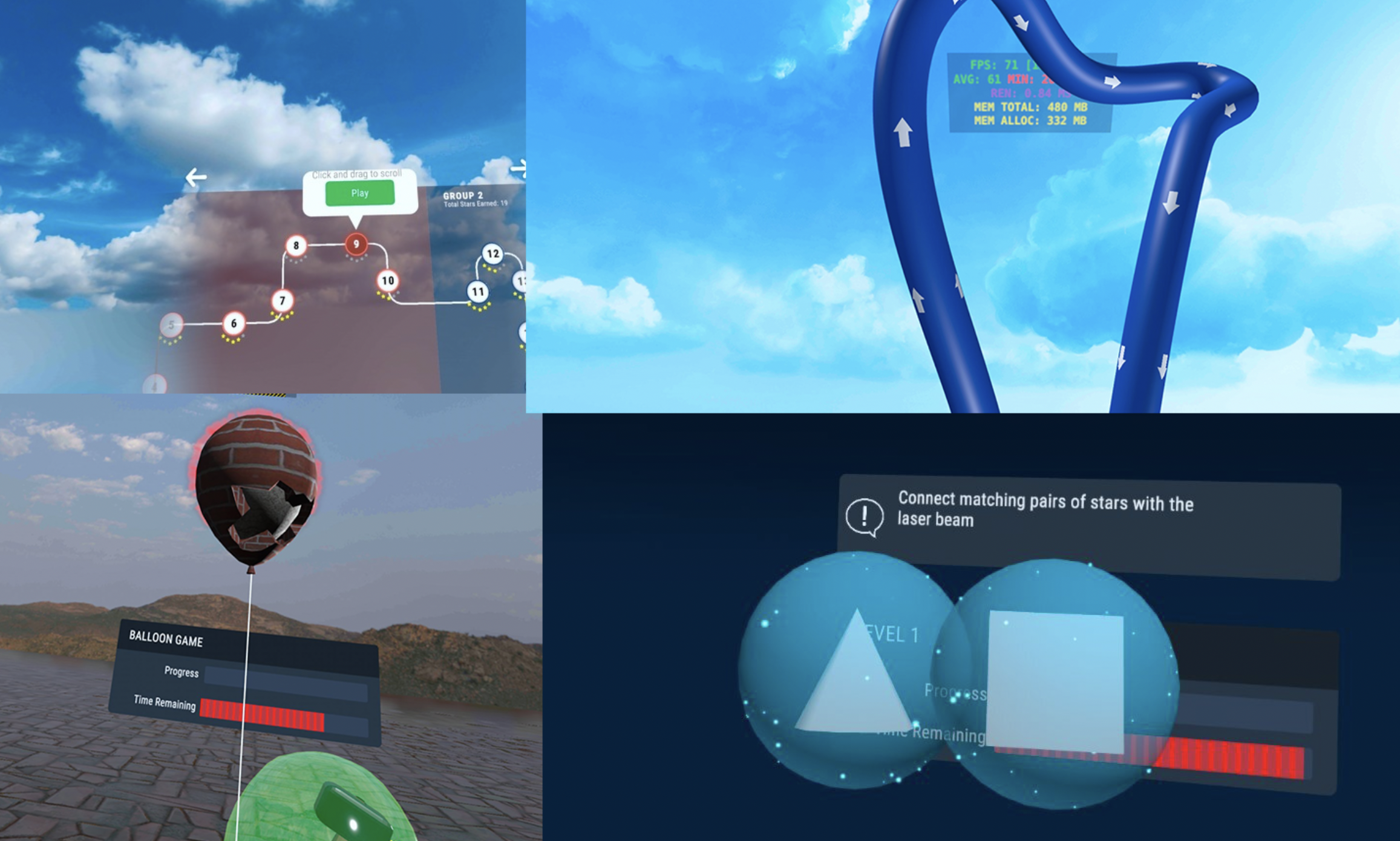
At the center of the experience are the mini games that make rehabilitation more engaging without losing therapeutic intent. Working closely with design, I prototyped and developed interactive exercises that helped keep patients motivated while still fitting the constraints of a VR recovery product.
From an engineering standpoint, the challenges were less about generic gameplay and more about making those interactions feel correct in VR. That included creating stylized balloon physics without relying on Unity's built-in physics engine, keeping elaborate scenes performant enough for a comfortable VR experience, and solving depth and scale perception issues that directly affect usability in immersive environments.
This work sits at the intersection of product engineering, real-time interaction, and systems design: building a foundation robust enough for production while still giving design and clinical stakeholders room to iterate.