
Panagiotis Peikidis
I am a polyglot software developer and technical consultant based in New York, USA.
'%3e%3cpath%20d='M15,3c-6.627,0%20-12,5.373%20-12,12c0,5.623%203.872,10.328%209.092,11.63c-0.056,-0.162%20-0.092,-0.35%20-0.092,-0.583v-2.051c-0.487,0%20-1.303,0%20-1.508,0c-0.821,0%20-1.551,-0.353%20-1.905,-1.009c-0.393,-0.729%20-0.461,-1.844%20-1.435,-2.526c-0.289,-0.227%20-0.069,-0.486%200.264,-0.451c0.615,0.174%201.125,0.596%201.605,1.222c0.478,0.627%200.703,0.769%201.596,0.769c0.433,0%201.081,-0.025%201.691,-0.121c0.328,-0.833%200.895,-1.6%201.588,-1.962c-3.996,-0.411%20-5.903,-2.399%20-5.903,-5.098c0,-1.162%200.495,-2.286%201.336,-3.233c-0.276,-0.94%20-0.623,-2.857%200.106,-3.587c1.798,0%202.885,1.166%203.146,1.481c0.896,-0.307%201.88,-0.481%202.914,-0.481c1.036,0%202.024,0.174%202.922,0.483c0.258,-0.313%201.346,-1.483%203.148,-1.483c0.732,0.731%200.381,2.656%200.102,3.594c0.836,0.945%201.328,2.066%201.328,3.226c0,2.697%20-1.904,4.684%20-5.894,5.097c1.098,0.573%201.899,2.183%201.899,3.396v2.734c0,0.104%20-0.023,0.179%20-0.035,0.268c4.676,-1.639%208.035,-6.079%208.035,-11.315c0,-6.627%20-5.373,-12%20-12,-12z'%3e%3c/path%3e%3c/g%3e%3c/g%3e%3c/svg%3e)
'%3e%3cpath%20d='M4.60588%209.45456H4.12103C3.20679%209.45456%202.74968%209.45456%202.46566%209.74425C2.18164%2010.034%202.18164%2010.5002%202.18164%2011.4327V19.84C2.18164%2020.7725%202.18164%2021.2388%202.46566%2021.5285C2.74968%2021.8182%203.20679%2021.8182%204.12103%2021.8182H4.60588C5.52012%2021.8182%205.97724%2021.8182%206.26126%2021.5285C6.54528%2021.2388%206.54528%2020.7725%206.54528%2019.84V11.4327C6.54528%2010.5002%206.54528%2010.034%206.26126%209.74425C5.97724%209.45456%205.52012%209.45456%204.60588%209.45456Z'%20stroke='white'%20stroke-width='1.5'/%3e%3cpath%20opacity='0.4'%20d='M6.54528%204.36364C6.54528%205.56863%205.56844%206.54546%204.36346%206.54546C3.15847%206.54546%202.18164%205.56863%202.18164%204.36364C2.18164%203.15866%203.15847%202.18182%204.36346%202.18182C5.56844%202.18182%206.54528%203.15866%206.54528%204.36364Z'%20stroke='white'%20stroke-width='2'/%3e%3cpath%20d='M12.2493%209.45456H11.4323C10.4998%209.45456%2010.0335%209.45456%209.74379%209.74425C9.4541%2010.034%209.4541%2010.5002%209.4541%2011.4327V19.84C9.4541%2020.7725%209.4541%2021.2388%209.74379%2021.5285C10.0335%2021.8182%2010.4998%2021.8182%2011.4323%2021.8182H11.9268C12.8593%2021.8182%2013.3256%2021.8182%2013.6153%2021.5285C13.905%2021.2388%2013.905%2020.7725%2013.905%2019.84L13.9051%2016.3783C13.9051%2014.7396%2014.4273%2013.411%2015.9701%2013.411C16.7414%2013.411%2017.3668%2014.0753%2017.3668%2014.8947V19.3456C17.3668%2020.2781%2017.3668%2020.7443%2017.6565%2021.034C17.9461%2021.3237%2018.4124%2021.3237%2019.3449%2021.3237H19.8382C20.7705%2021.3237%2021.2367%2021.3237%2021.5264%2021.0341C21.8161%2020.7445%2021.8162%2020.2784%2021.8164%2019.3461L21.8177%2013.9057C21.8177%2011.4476%2019.4798%209.4548%2017.1658%209.4548C15.8484%209.4548%2014.6732%2010.1005%2013.9051%2011.1103C13.905%2010.4871%2013.905%2010.1755%2013.7697%209.94416C13.6839%209.79764%2013.5619%209.67565%2013.4154%209.58994C13.184%209.45456%2012.8725%209.45456%2012.2493%209.45456Z'%20stroke='white'%20stroke-width='1.5'%20stroke-linejoin='round'/%3e%3c/g%3e%3cdefs%3e%3cclipPath%20id='clip0_8679_11877'%3e%3crect%20width='24'%20height='24'%20fill='white'/%3e%3c/clipPath%3e%3c/defs%3e%3c/svg%3e)

© 2026 pekalicious. All Rights Reserved.
Super Senso
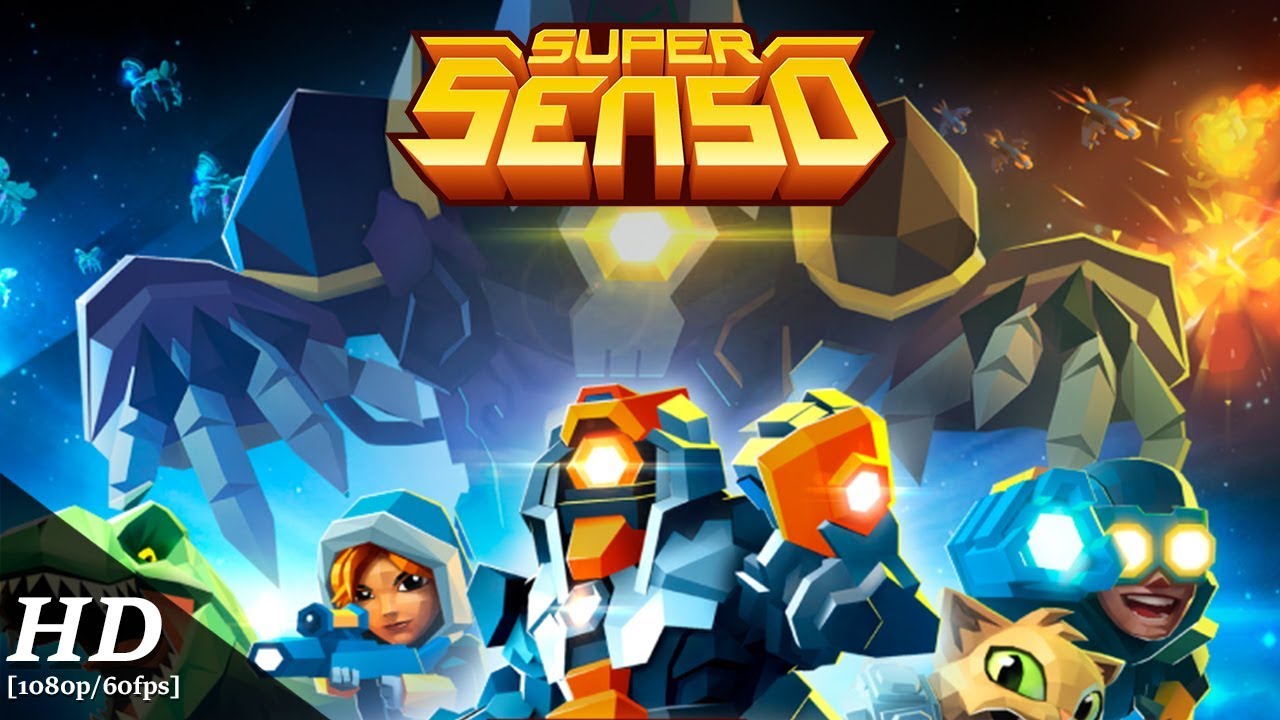
Super Senso was a mobile free-to-play eSports title developed at TURBO Studios, a company backed by SoftBank, Nexon, and McKinsey, with GungHo as publisher.
My role focused on the engineering systems that allowed a small team to move quickly under aggressive time, budget, and resource constraints. In practice, that meant building core gameplay technology in Unity3D, creating tools that allowed designers to iterate without constant engineering support, and developing artificial intelligence systems that could be used both in gameplay and in large-scale simulation.
The result was a workflow where new mechanics could be prototyped quickly, integrated into the production engine cleanly, and deployed to supporting services with minimal friction. The game was later recognized by Apple as Best New Mobile Game App in 2016, featured as Editor's Choice in North America in April 2017, and reached #5 across all App Store categories.
Core Gameplay System
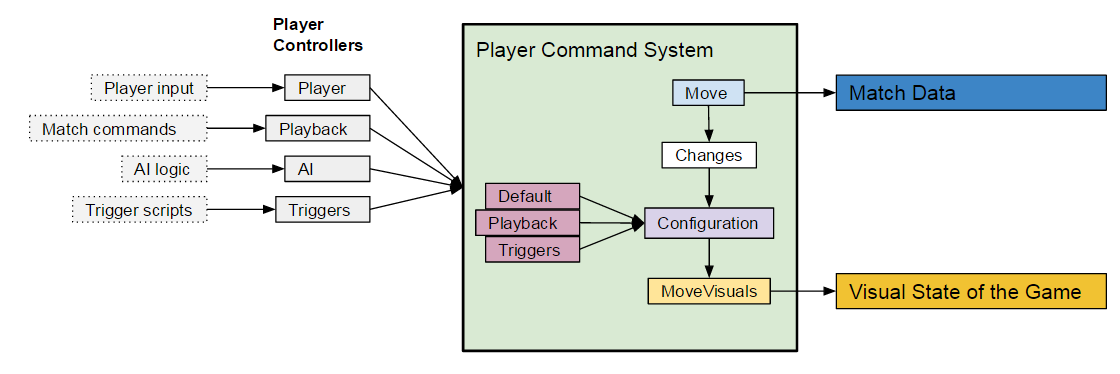
I architected and implemented the core gameplay system in C#. The turn-based engine was built from the ground up to run across multiple execution environments:
- In-engine mobile client (Android and iOS)
- Standalone server execution (no Unity Engine required)
- AI simulator
This shared engine supported:
- Player-to-player (PVP), Player-to-AI (PVE), AI-to-AI (Simulations/Training)
- Local-multiplayer (Pass'n'Play), Remote-multiplayer (Server/Client), Playback
- Switching between core mechanics (i.e. different win conditions) through data
- Rapid prototyping using text-based scripting
- Player action recording and playback
Designing the gameplay layer this way let the team reuse the same rules logic for client play, server-side execution, and simulation workloads, which reduced duplication and made iteration much safer.
Artificial Intelligence System
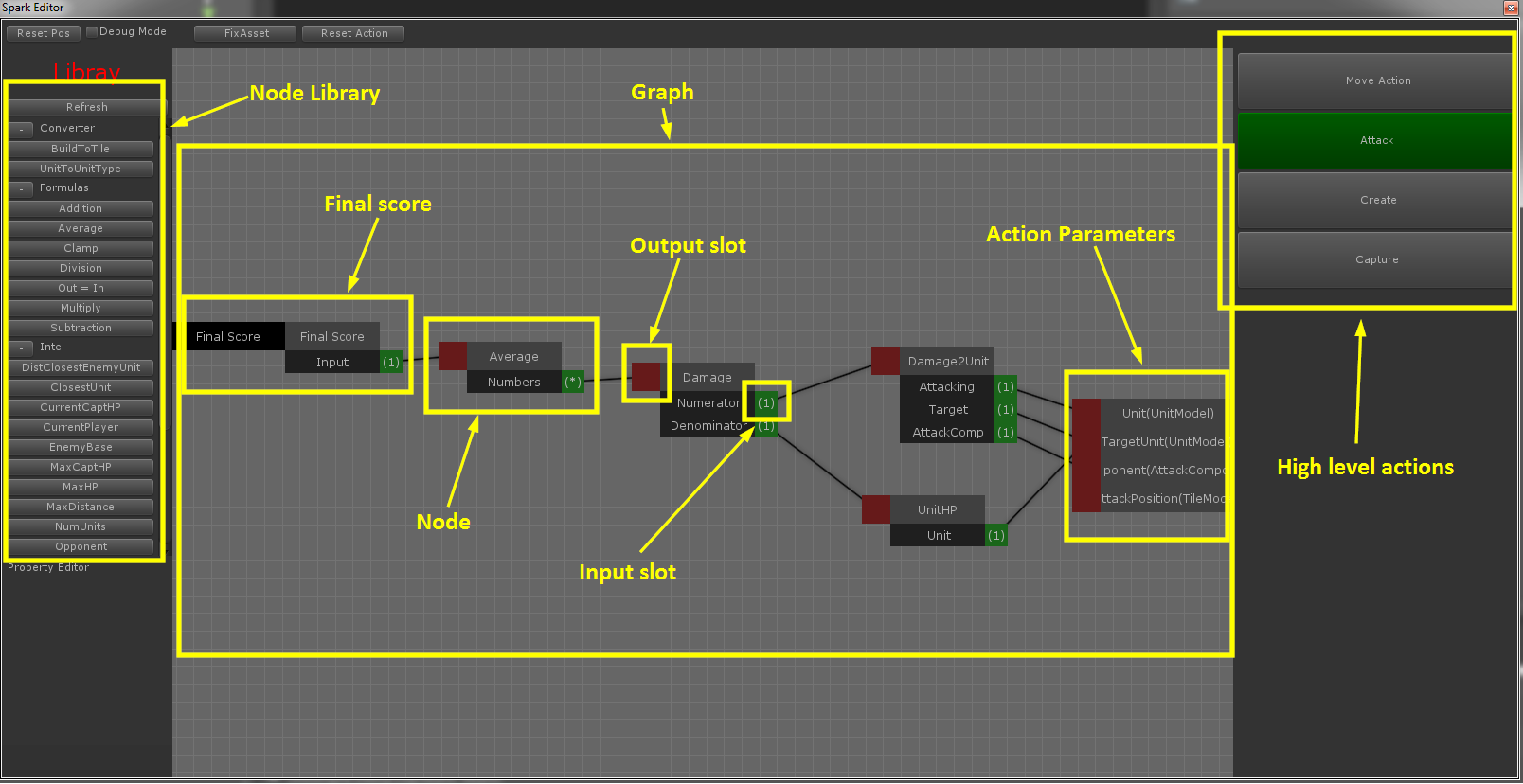
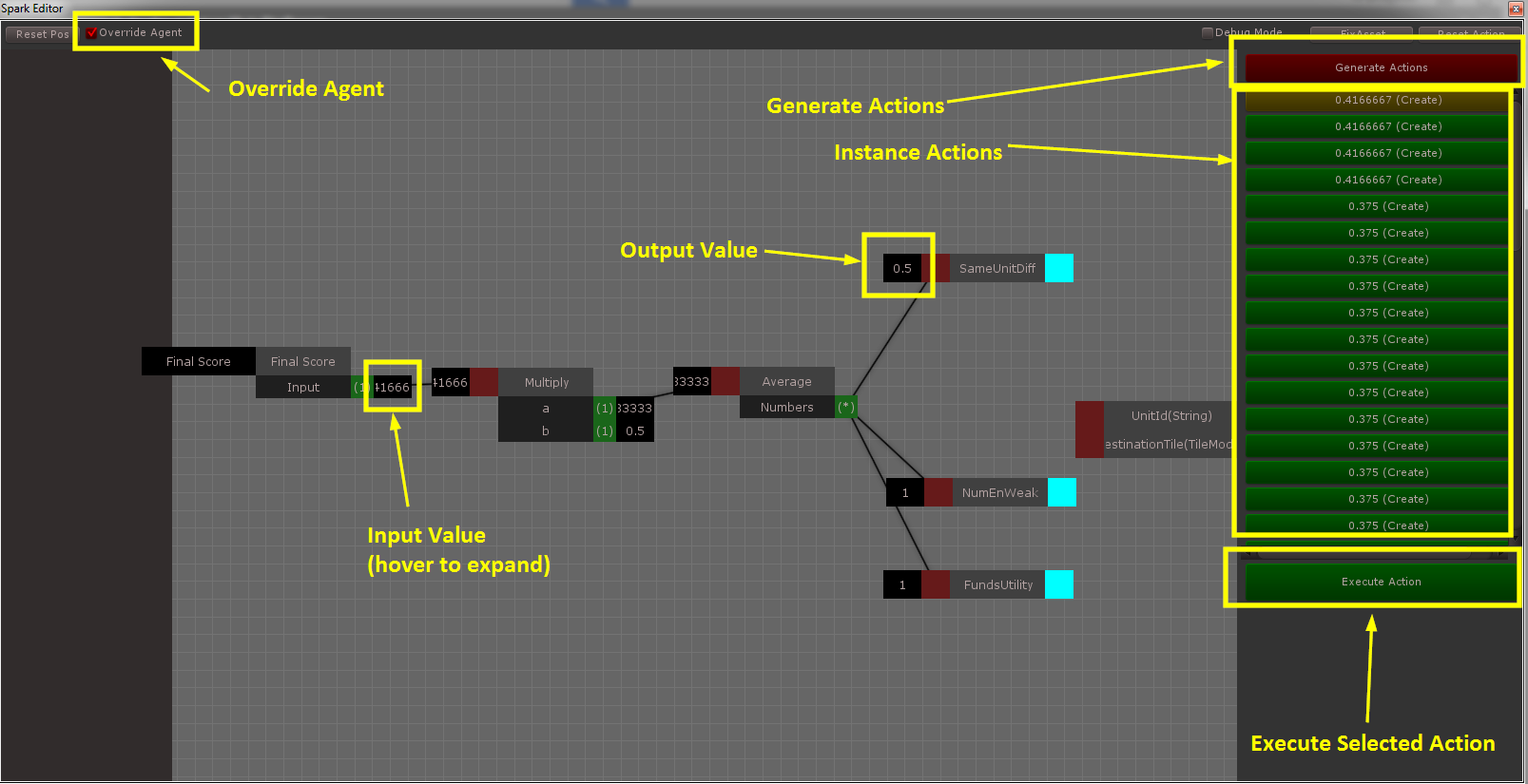
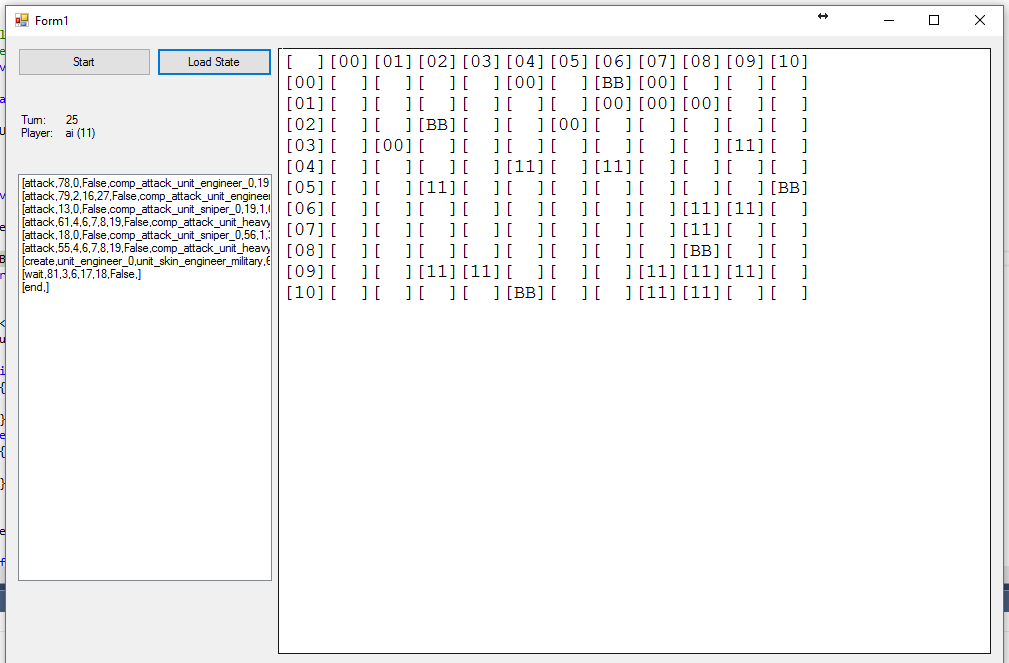
I built the artificial intelligence system, named Spark, from scratch. It was designed as a modular framework that allowed new subsystems to be introduced incrementally, use different techniques such as utility systems and influence maps, and communicate with each other as part of a larger decision-making pipeline.
Spark could be packaged and reconfigured to run independently for simulations, execute on the server, and run on the client. That flexibility made it useful not just for shipped gameplay, but also for balancing, experimentation, and internal testing workflows.
To support the design team, I also built a custom in-Unity editor that allowed AI behavior to be tuned without requiring a new build. Designers could adjust utility logic, generate influence maps, define high-level goals, and observe behavior live during runtime to debug and refine decision making.
Trigger Editor
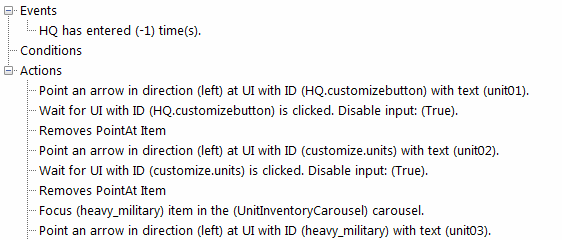
I built an editor tool inspired by StarCraft's Trigger Editor so designers could script tutorials, test custom mechanics, and author content without editing code or waiting on engineering for every iteration. The architecture was designed to be easy for engineers to extend, while the UI used sentence-like expressions rather than a node-based graph so that scripting stayed approachable for non-programmers.
This tool was a major force multiplier for the team: it reduced bottlenecks, accelerated content iteration, and let engineering focus on foundational systems instead of repeatedly hardcoding one-off behaviors.